
2026 Public Health Laboratory Newsroom
How Health Conditions Are Added to Minnesota Newborn Screening
The Minnesota Newborn Screening Program tests around 60,000 babies per year for signs of more than 60 health conditions. These conditions, listed in the Minnesota Newborn Screening Panel, include hearing loss, critical congenital heart disease, genetic disorders such as phenylketonuria, and the infectious disease congenital cytomegalovirus.
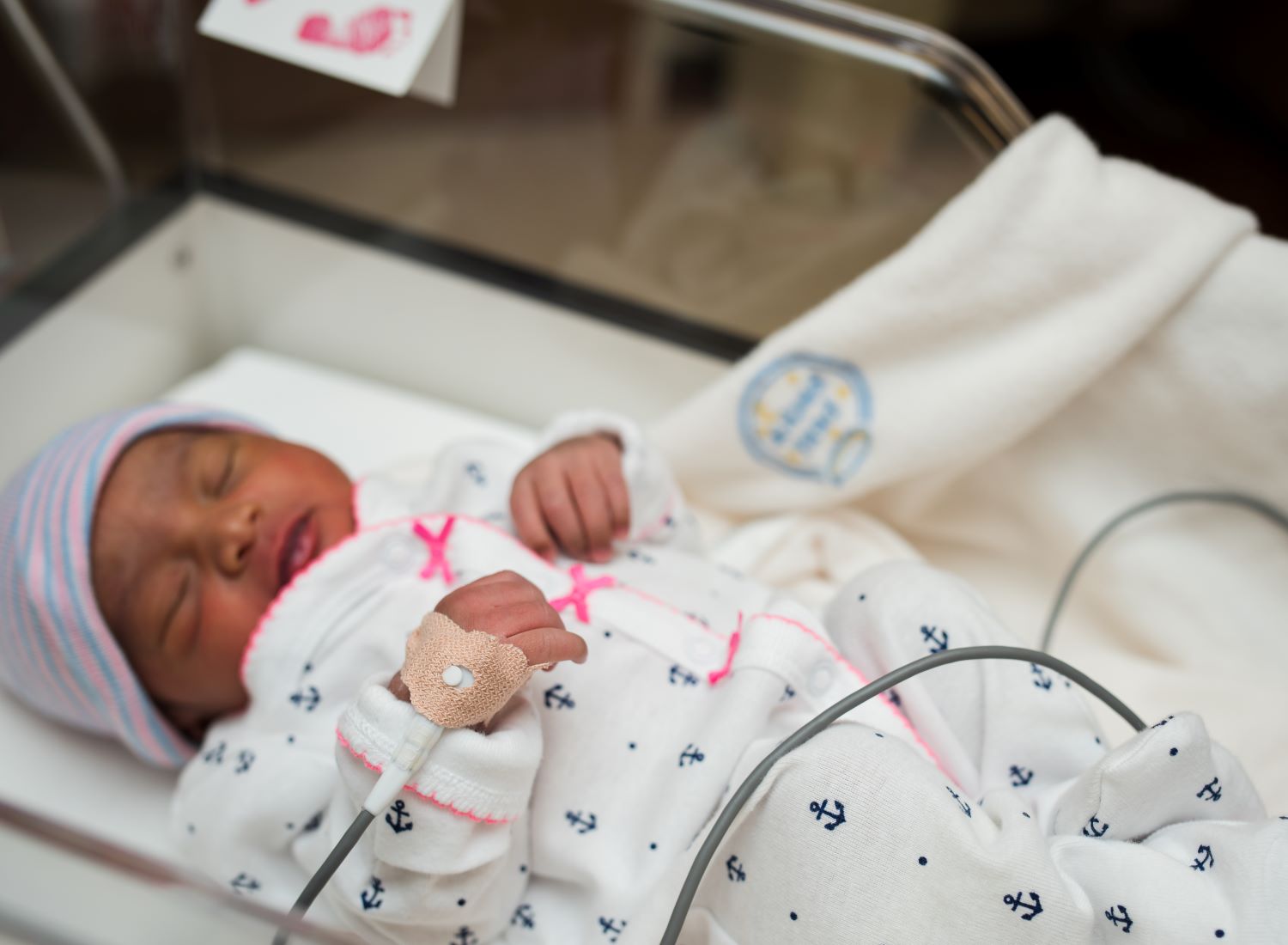 Conditions are sometimes added to the Minnesota Newborn Screening Panel, which enables the program to help more babies and families. At this writing, the most recently added was metachromatic leukodystrophy (MLD) in 2025. If left untreated, some forms of MLD can cause trouble walking, developmental delays, loss of speech, paralysis, and early death. Newly developed gene therapy, along with supportive care, holds the promise of allowing children with MLD to live much longer and healthier lives. For treatment to work, though, the condition must be diagnosed before symptoms appear.
Not every health condition is best served by newborn screening. The following must apply:
- It must be a condition that is “hidden,” i.e., there are no clear symptoms that health care providers could observe. Often such conditions are genetic disorders.
- There must be a screening test that can detect signs of the condition when the baby is between 24 to 48 hours old.
- It must be feasible to test for the condition for around 60,000 babies per year.
- Because newborn screening only provides indications that a baby might have a condition, and not a diagnosis, there must be a secondary test available that can lead to diagnoses.
- There must be a treatment or intervention available to help improve the lives of babies with the condition.
- There should be providers and/or facilities in Minnesota to diagnose, treat, and manage babies with the condition.
- The condition should affect babies while they are young children.
The process for adding a condition
The Minnesota Newborn Screening Program is always looking for ways to improve the health of newborns in Minnesota. The program tracks scientific developments in the screening, diagnosis, and treatment of health conditions that would make them satisfy the above criteria.
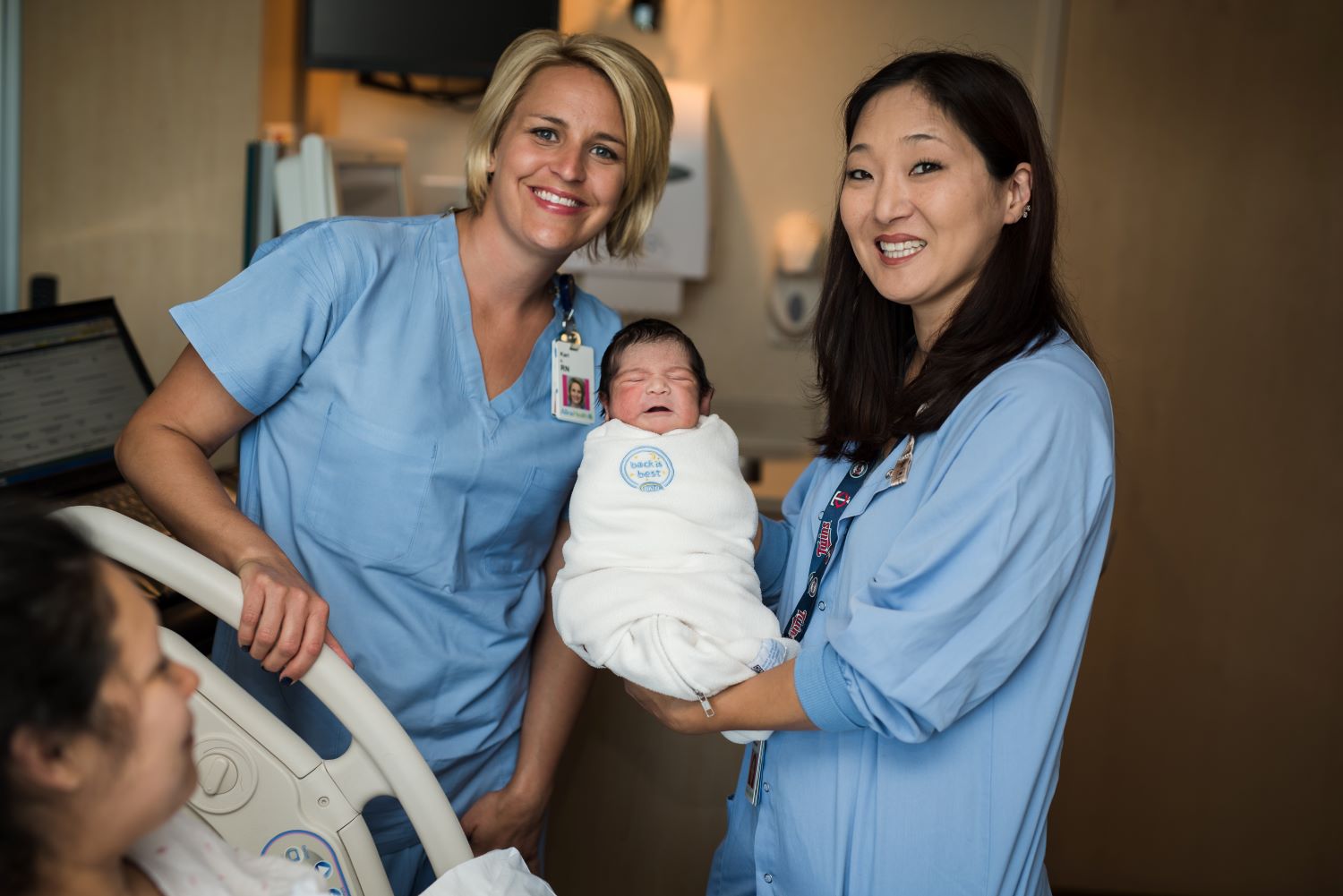 Doctors and other health care professionals also work with the Minnesota Newborn Screening Program to identify potential additions to the panel. Minnesota citizens who are not health care professionals can also nominate conditions.
Once a condition is nominated, it undergoes a careful process based on sound scientific evidence. The Newborn Screening Advisory Committee reviews whether the condition is applicable to newborn screening. The committee includes, but is not limited to, specialists, physicians, genetic counselors, and nutritionists. Parents of children with a condition can also join the committee. The Review Process Flowchart shows the steps a condition must go through to be added to the Minnesota Newborn Screening Panel.
Return to the 2026 Public Health Laboratory Newsroom.