
2026 Public Health Laboratory Newsroom
Investigation of Unusual Bacteria in Bodily Fluids Led by Minn. Public Health Lab
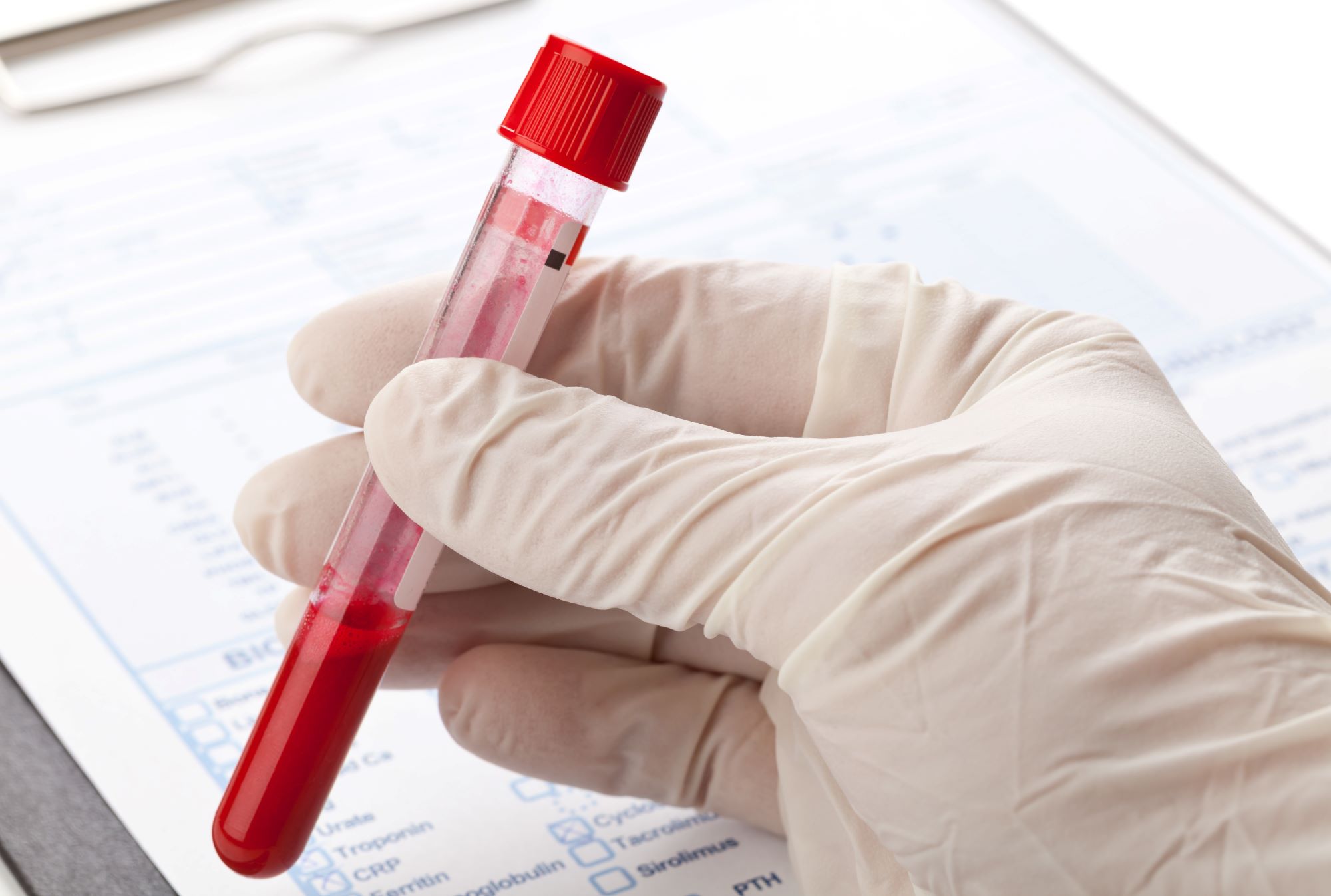 In August 2024, scientists in the Minnesota Public Health Laboratory got an unusual test result: They found a species of bacteria called Paraburkholderia fungorum in a blood sample. Paraburkholderia fungorum is found in the environment and is quite beneficial in agriculture. However, it is not usually linked to illness in humans, and finding it in blood samples is very unusual.
Over the next year, Minnesota Public Health Laboratory scientists collaborated with other researchers from around the world to solve the mystery. Together they amassed enough evidence to show that a particular brand of ultrasound gel was the culprit. They compiled their results in a paper titled "Detection of Paraburkholderia in Clinical Specimens Associated with Use of Nonsterile Ultrasound Gel for Percutaneous Procedures — United States, Canada, and Israel, May 2023⎯April 2025," which the Centers for Disease Control and Protection (CDC) highlighted in their Morbidity and Mortality Weekly Report (MMWR).
A Strange Finding
Many hospitals and clinics have laboratories in which they test blood and other substances for infections. When they need to confirm a result, especially for a rare infection, they send the person’s sample to a more specialized lab like the Minnesota Public Health Laboratory. Within the Minnesota Public Health Laboratory, the Minnesota Infectious Disease Laboratory has the state-of-the-art equipment and highly trained staff to test for tuberculosis, mpox, and other dangerous rare diseases.
Even most state public health laboratories would not discover bacteria as unexpected as Paraburkholderia fungorum. The Minnesota Public Health Laboratory goes beyond screening for known pathogens; it also uses sophisticated techniques to discover what else is in a sample. Using whole-genome sequencing, the lab mapped out all the genes within the bacteria and then cross-referenced the result against millions of known species.
Finding Paraburkholderia fungorum in a blood sample in August 2024 was so unusual that the lab checked other samples for the bacteria. It found Paraburkholderia fungorum in several of them. The lab then sent out a call, MLS Laboratory Update: MDH Investigating Paraburkholderia fungorum (PDF), asking colleagues in the Minnesota Laboratory System to the do the same. This turned up more samples carrying the bacteria. Whole-genome sequencing confirmed that all were the same species and were closely related.
A medical epidemiologist from the Minnesota Department of Health’s Infectious Disease Epidemiology, Prevention and Control (IDEPC) Division searched for possible common sources of infection. All the blood was collected in the same brand of blood culture bottles, giving the team a promising lead.
Expanding the Investigation
The Minnesota Department of Health reported the findings to the Centers for Disease Control and Prevention (CDC), the Food and Drug Administration (FDA), and the manufacturer of the blood culture system. However, more evidence was needed to take action.
A hospital system in North Carolina heard about the investigation and contributed samples from nine different patients, all of which had Paraburkholderia fungorum that matched those found by Minnesota Public Health Laboratory. Independently, physicians in Canada and Israel were researching Paraburkholderia fungorum online and came across the Minnesota Public Health Laboratory’s call for samples. They also provided whole genome sequencing data from samples that had the same bacteria. Now the Minnesota Public Health Laboratory had dozens of matching samples.
Problems arose with the theory that Paraburkholderia fungorum was contaminating a certain brand of blood culture bottles. Several of the samples from Israel used bottles from a different manufacturer. Also, the suspected brand of bottles is used by around 80% of American labs. That would suggest that Paraburkholderia fungorum should be much more common in blood samples than it is.
A physician in Israel broke the case open by suggesting that ultrasound gel could be the source instead. Ultrasound is best known for its use on pregnant mothers’ abdomens, to give them their first glimpses of their babies. It is also used in blood draws and other procedures involving needles. If gel is left on the skin, a needle can bring traces of it into the body. The Israeli physician tested nonsterile ultrasound gel and got positive results for Paraburkholderia fungorum.
Other members of the now-large team of physicians and researchers tested non-sterile ultrasound gel from the same manufacturer and found Paraburkholderia fungorum. The team publicized their findings in the aforementioned article, "Detection of Paraburkholderia in Clinical Specimens Associated with Use of Nonsterile Ultrasound Gel for Percutaneous Procedures — United States, Canada, and Israel, May 2023⎯April 2025."
The CDC issued an alert to all American healthcare providers, Alert: Use Only Sterile Ultrasound Gel for Percutaneous Procedures. Hospitals and clinics have the choice of using sterile or non-sterile ultrasound gel with patients. The work done by the Minnesota Public Health Laboratory and its colleagues provides evidence that non-sterile gel can contain unusual bacteria and therefore should not be used in procedures that involve needles.
Return to the 2026 Public Health Laboratory Newsroom.