
2026 Public Health Laboratory Newsroom
Minnesota Expands Panel to Include Two More Rare Conditions
GAMT & DMD
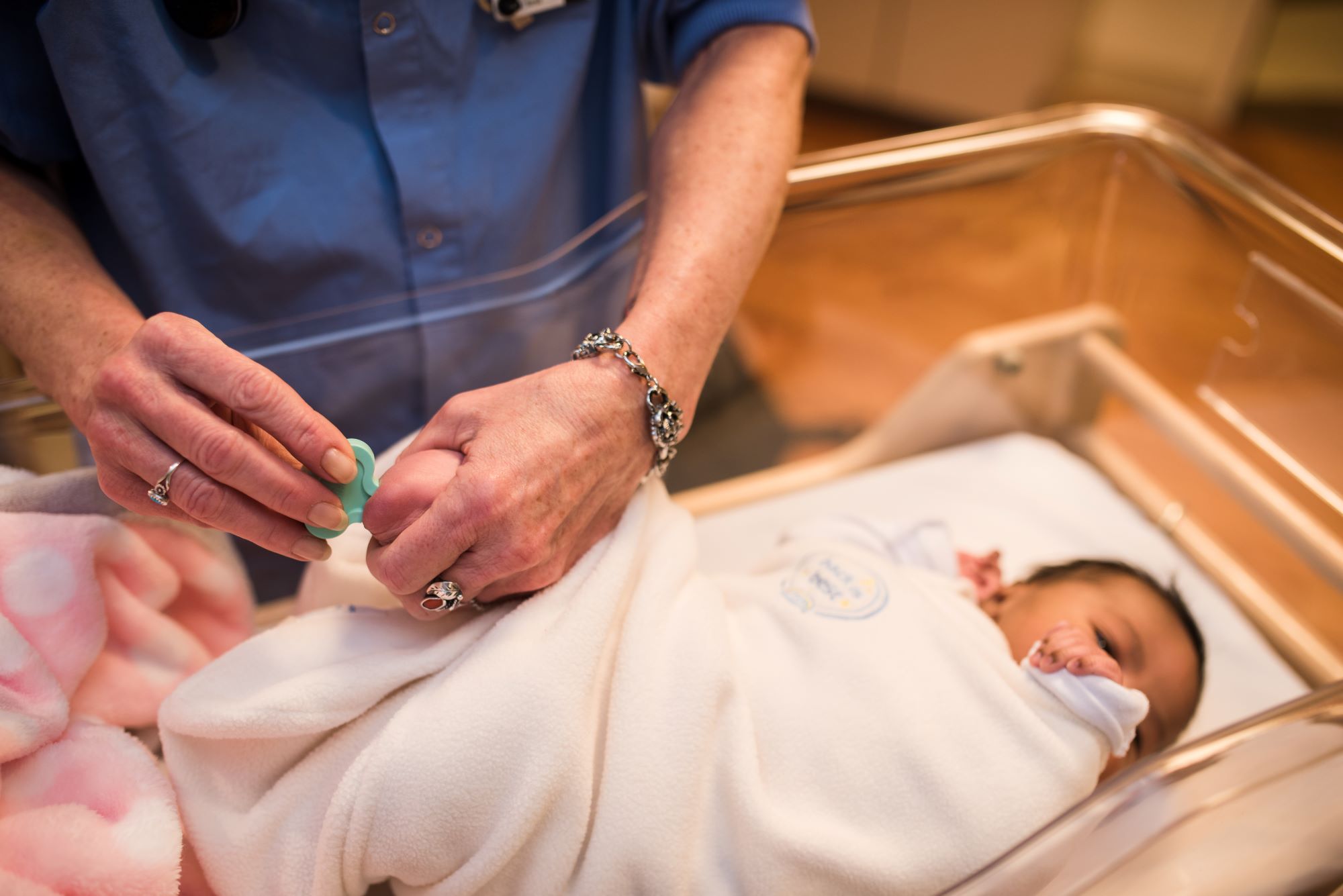 The Minnesota Newborn Screening Program is a national leader in newborn screening, testing newborns soon after birth to identify if they are at risk for over 60 rare, hidden disorders. In February 2025, two additional conditions were added to the newborn screening panel: guanidinoacetate methyltransferase (GAMT) deficiency and Duchenne muscular dystrophy (DMD). With the addition of these conditions, MDH is expected to identify 6-10 Minnesota infants per year.
Those with GAMT deficiency have a mutation in the GAMT gene. This causes the amino acid guanidinoacetate to build up, and can cause damage to the nervous system. Symptoms typically start before the age of 1. Symptoms include:
- Delays in infant milestones,
- Intellectual disabilities,
- Behavioral disabilities, and
- Seizures.
There is no cure for GAMT deficiency, but early intervention such as medication, special diet, and therapies can reduce symptoms. The prevalence for GAMT deficiency is 1 in 300,000.
Duchenne muscular dystrophy (DMD) is a condition present at birth and causes the breakdown of muscle tissues and are replaced by scar tissue and fat, leading to extreme muscular fragility and weakness as the child ages. Symptoms start appearing between 2 and 3 years of age, and include:
- Difficulty moving, walking, or running;
- Large calf muscles paired with thin thighs; and
- Learning disabilities.
As DMD progresses, additional health issues may arise and may result in death by the age of 30. There is no cure for DMD, but treatment, such as medication, gene therapies, and tailored therapy, can slow the progression of the disease and improve quality of life. The prevalence for DMD is 1 in 10,000 and affects males more often than females. Since 2025, three newborns have been confirmed to have DMD through the newborn blood spot screen.
Testing for these conditions includes the birth provider collecting 6 drops of blood from the newborn’s heel and sending the specimen to the Minnesota Public Health Laboratory. If detected, Newborn Screening staff communicate the results to the baby’s doctor and recommend next steps.
The Minnesota Newborn Screening Program aims to screen all Minnesota infants, identify infants with hidden disorders at an early age, and help facilitate the connection to medical intervention. With the addition of GAMT and DMD, the program looks forward to helping children start a healthy life.
Want to learn more about how a new condition gets added to our panel? Check out How Health Conditions Are Added to Minnesota Newborn Screening - MN Dept. of Health.
Return to the 2026 Public Health Laboratory Newsroom.