Secondary menu

  • About Us
  • News & Stories
  • Translated Materials
Minnesota Department of Health logo
  • Data, Statistics, and Legislation

    Data, Statistics, and Legislation

    Statistical reports, health economics, policy, and legislation.
    Data, Statistics, and Legislation
    • Community Health
    • Diseases and Conditions
    • Environmental Health
    • Health Behaviors and Risk Factors
    • Health Care Cost and Quality
    • Reporting and Exchanging Data
    • Legislation and Policy
  • Diseases and Conditions

    Diseases and Conditions

    A-Z disease listing, diseases and conditions by type.
    Diseases and Conditions
  • Health Care Facilities, Providers, and Insurance

    Health Care Facilities and Providers

    Directories of facilities, professional certifications, health insurance and patient safety.
    Health Care Facilities and Providers
    • Facility Certification, Regulation and Licensing
    • Insurance
    • Health Information Technology
    • Provider Certifications, Licenses, Registrations and Rosters
    • Patient Health and Safety
    • Health Care Homes
    • Notices Related to Health Records
    • Rural Health and Primary Care
    • Trauma System
  • Healthy Communities, Environments, and Workplaces

    Healthy Communities, Environments, and Workplaces

    Indoor air and drinking water quality, community prevention and emergency preparedness.
    Healthy Communities, Environments, and Workplaces
    • Community Wellness and Health Equity
    • Healthy Schools and Child Care
    • Healthy Businesses and Workplaces
    • Local Public Health
    • Environments and Your Health
    • Safety and Prevention
    • Emergency Preparedness and Response
    • Equitable Health Care Task Force
    • Transforming the Public Health System in Minnesota
  • Individual and Family Health

    Individual and Family Health

    Birth records, immunizations, nutrition and physical activity.
    Individual and Family Health
    • Vital Records and Certificates
    • Disabilities and Special Health Needs
    • Disease Prevention and Symptom Management
    • Healthy Aging
    • Healthy Children, Youth and Adolescents
    • Mental Health and Well-being
    • Reproductive Rights and Protections in Minnesota
    • Women and Infants
MDH Logo

Breadcrumb

  1. Home
  2. Healthy Communities, Environment and Workplaces
  3. Environments and Your Health
  4. Fish Consumption Guidance
Topic Menu

Fish Consumption

  • Fish Consumption Home
  • Waterbody-specific and Statewide Guidelines
  • Contaminants and Minnesota Fish
  • Order Fish Consumption Materials
  • Eating Fish: Benefits and Serving Size
  • Resources, Reports & Technical Information
  • Great Lakes Consortium
  • Information in Other Languages

Related Topics

  • PFAS and Health
  • Mercury
  • What is a Serving of Fish?
  • Keeping Food Safe at Home
  • Healthy Eating

Environmental Health Division

  • EH Division Home

Fish Consumption

  • Fish Consumption Home
  • Waterbody-specific and Statewide Guidelines
  • Contaminants and Minnesota Fish
  • Order Fish Consumption Materials
  • Eating Fish: Benefits and Serving Size
  • Resources, Reports & Technical Information
  • Great Lakes Consortium
  • Information in Other Languages

Related Topics

  • PFAS and Health
  • Mercury
  • What is a Serving of Fish?
  • Keeping Food Safe at Home
  • Healthy Eating

Environmental Health Division

  • EH Division Home
Contact Info
Fish Guidelines Program
651-201-4911
800-657-3908 (toll-free)
HEALTH.fish@state.mn.us
Fish Consumption Contacts

Contact Info

Fish Guidelines Program
651-201-4911
800-657-3908 (toll-free)
HEALTH.fish@state.mn.us
Fish Consumption Contacts

Fish Consumption Guidance

Minnesota fish consumption guidance is updated periodically. Check back regularly.
Last guidance update: April 2025

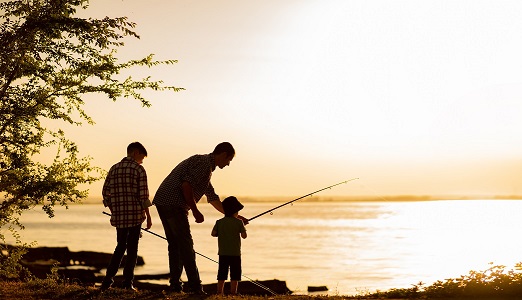
People fishing by a lake at twilight.

The Fish Consumption Guidance program at MDH, working alongside other state agencies, reviews scientific information and contaminant data for Minnesota waterbodies regularly and issues updated guidance as necessary. The most studied contaminants in Minnesota fish include mercury, polychlorinated biphenyls (PCBs), and per-and polyfluoroalkyl substances (PFAS).

Fish are an important part of a nutritious, well-balanced diet and part of many Minnesotan traditions and cultures. MDH’s fish consumption guidance is intended to provide Minnesotans with the information they need to make informed choices for the health and safety of their family.

Minnesota fish consumption guidelines depend on the fish you eat and who you are. People who are pregnant, planning to be pregnant, and children need to be more careful about what kinds of fish to eat and how often to eat fish, as they are more sensitive to contaminants.

The data collected on fish contaminants in Minnesota to inform guidelines are based on fish fillets or muscle tissue. If you eat other parts of the fish your exposure to these contaminants will differ. PCBs and PFAS have higher concentrations in whole fish. MDH is improving our methods for providing guidelines, including consideration of how to provide specific guidelines for consumption of other parts of fish.

April 2025 update: Fish Consumption Guidance Updates for Some Waterbodies in 10 Minnesota Counties 
Updated Fish Consumption Guidelines for PFAS found in some MN waterbodies.

  • Hmong: Cov Lus Taw Qhia Kho Tshiab Rau Kev Noj Ntses hauv qee lub pas dej ntawm 10 lub county hauv Minnesota (PDF)
  • Spanish: Actualización de la Guía para el Consumo de Pescado para las masas de agua de 10 condados de Minnesota (PDF)
Waterbody-specific and Statewide Fish Consumption Guidelines
Provides information on MDH’s Statewide Fish Consumption Guidelines and guidelines for rivers and Lake Superior.
DNR Lakefinder
Fish consumption guidelines for Minnesota lakes can be found in Lakefinder. (Updated: April 2025)
 
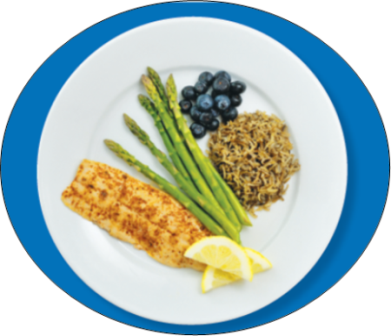
Dinner plate with fish, asparagus, rice, and blueberries. Eating Fish: Benefits and Serving Sizes
Benefits of eating fish, choosing fish to eat, and fish serving sizes.

Fish Consumption Information in Other Languages
 

2025 Minnesota Statewide Fish Consumption Guidelines 

  • Minnesota fishing regulations (PDF) (English)
  • Cov cai nuv ntses hauv lav Minnesota (PDF) (Hmong)
  • မံၣ်နံၣ်စိထၣ် တၢ်တခွဲညၣ် တၢ်သိၣ်တၢ်သီတၢ်ဘျၢ (PDF) (Karen)
  • Sharciyada kalluumeysiga ee Minnesota (PDF) (Somali)
  • Regulaciones de pesca de Minnesota (PDF) (Spanish)

Spanish

 Eat Fish Often - Spanish version

¿Come pescado a menudo?(PDF)

English version: Eat Fish often (PDF)


 Choose Your Fish - Spanish versions

ELIJA SU PESCADO - RECOMENDACIONES PARA MUJERES Y NIÑOS (PDF)

English version: Choose Your Fish – Recommendations for Women & Children (PDF)


Hmong

 Eat Fish Often - Hmong version

Noj Ntses Heev?(PDF)

English version: Eat Fish often (PDF)


 Choose health, low mercury fish - information sheet for Hmong Community

Xaiv kev noj qab nyob zoo, noj tej ntses uas muaj cov kua hlau nyaum tsawg (low mercury) (PDF)

English version: Choose health, low mercury fish (PDF)


Somali

 Eat Fish Often - Somali version

Inta badan ma cuntaa kalluunka?(PDF)

English version: Eat Fish often (PDF)

"Talk about Fish and Way of Eating Fish"
Produced by Foung Heu, Filmmaker
Narrated by John Ny Vang, Executive Director of the Capitol Sportsmen Chapter of the Minnesota Deer Hunters Association

  • Hmong Video: Talk about Fish and Way of Eating Fish
  • Script in English for "Talk about Fish and Way of Eating Fish" (PDF)

Shorter segments of Hmong Video: "Talk about Fish and Way of Eating Fish"

  • Advice for Eating Fish in MN
  • Eat Fish - They're good for you!
  • Health Benefits of Eating Fish
  • Mercury in Fish so Wisely Choose Fish to Eat
  • How Mercury Gets into Fish
Tags
  • environment
Last Updated: 11/14/2025
  • Facebook
  • X
  • Instagram
  • LinkedIn
  • Youtube

About MDH

  • About Us
  • Grants and Loans
  • Advisory Committees

Legal & Accessibility

  • Privacy Policy
  • Equal Opportunity
  • Feedback Form

Careers at MDH

This is an official website of the State of Minnesota. Visit Minnesota.gov for more information.